
2761
Progress Journals & Experimental Routines / Re: Scooby 2011 Journal
« on: February 26, 2018, 11:52:38 pm »
he squats 2.67x his bodyweight if those numbers are accurate. that's a big squat. but squatting /= speed.
 Show Posts
This section allows you to view all posts made by this member. Note that you can only see posts made in areas you currently have access to.
Super pissed off
looks like i gotta take getting back in shape seriously this time
didnt get the apprenticeship because of stupid bull shit.

great read, i might have posted it before:
https://medium.com/enda-sportswear/how-to-train-for-a-marathon-like-a-kenyan-93726ef782cc
BW: 90.2
Activity:
Misc: n/a
Diet Compliance: 1/1
Mobility:
Skill work:
My waking HR was 109. It's been high since weds night. Im going to go see a doctor
Good idea mate. Best to get it checked. What's your resting HR?
it's between 50 and 70 now. but long story short i had to go to hospital (gp send me there) b/c there was a problem with my heart shown on the ECG, showed a flutter pattern. GP called me an ambulance and i spent a night at the hospital. Magically my heart went into sinus in the morning and they discharged me that day. Im on beta blockers and blood thinners now so i cant play contact sport anymore. No basketball for 5 months. Cardiologist wants to do an ablation. Im not sure i want that but he knows better i guess. so idk. never had surgery before.. bit scary.

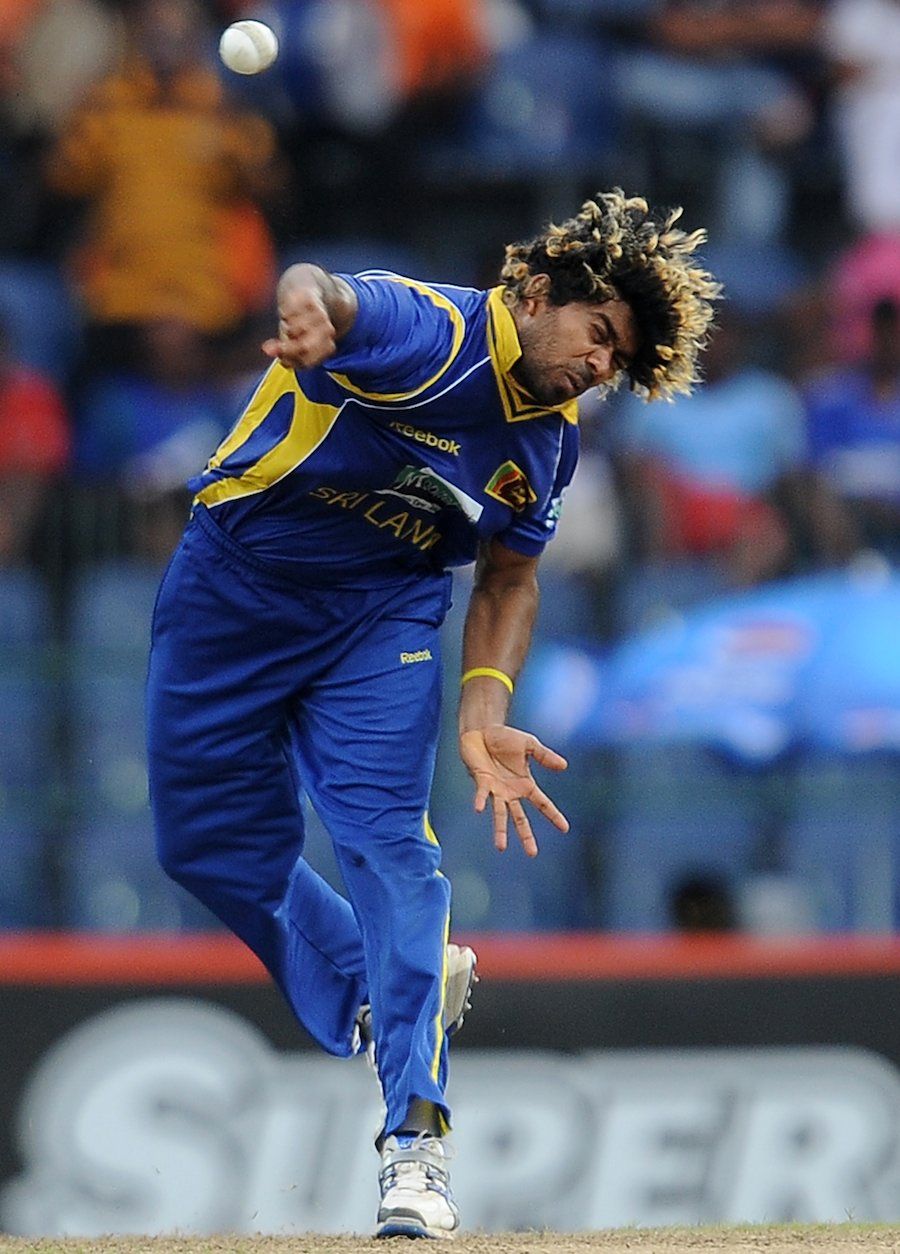
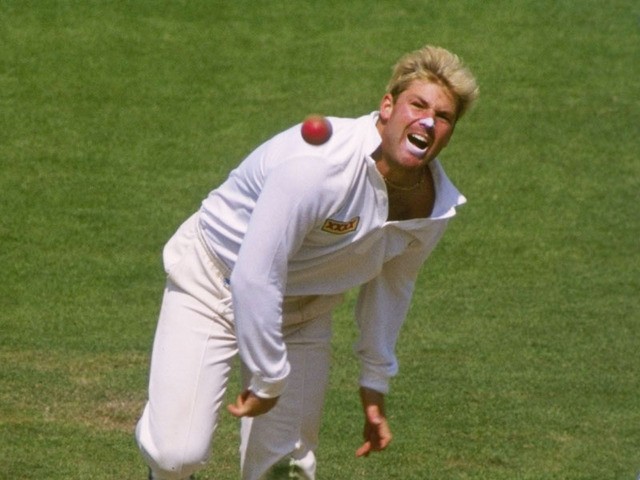
Yeah he's a very impressive athlete. I find it interesting how much of the shot performance correlates with lower body jumping power. I know a guy that trains cricket bowlers in pretty much the same fashion with great success.
Just realized I had a purple patch 1cm in diameter, on my calf muscle, which I'm guessing is a broken blood vessel after the seated calf raise I did on tuesday, but it's only on my left calf.
